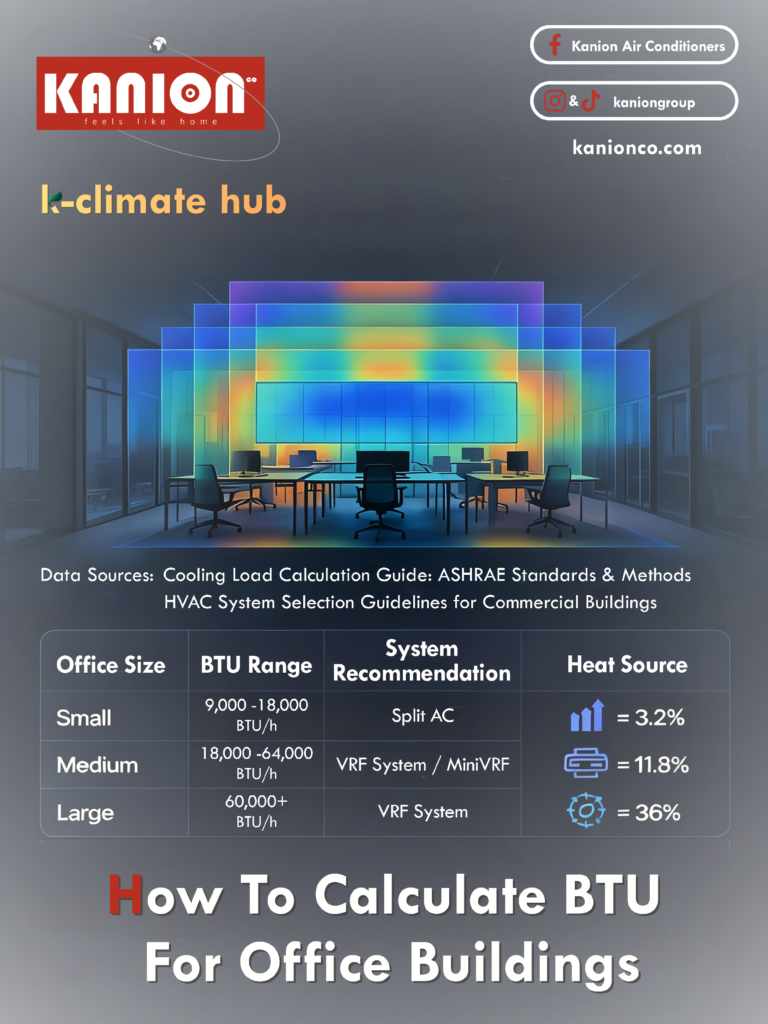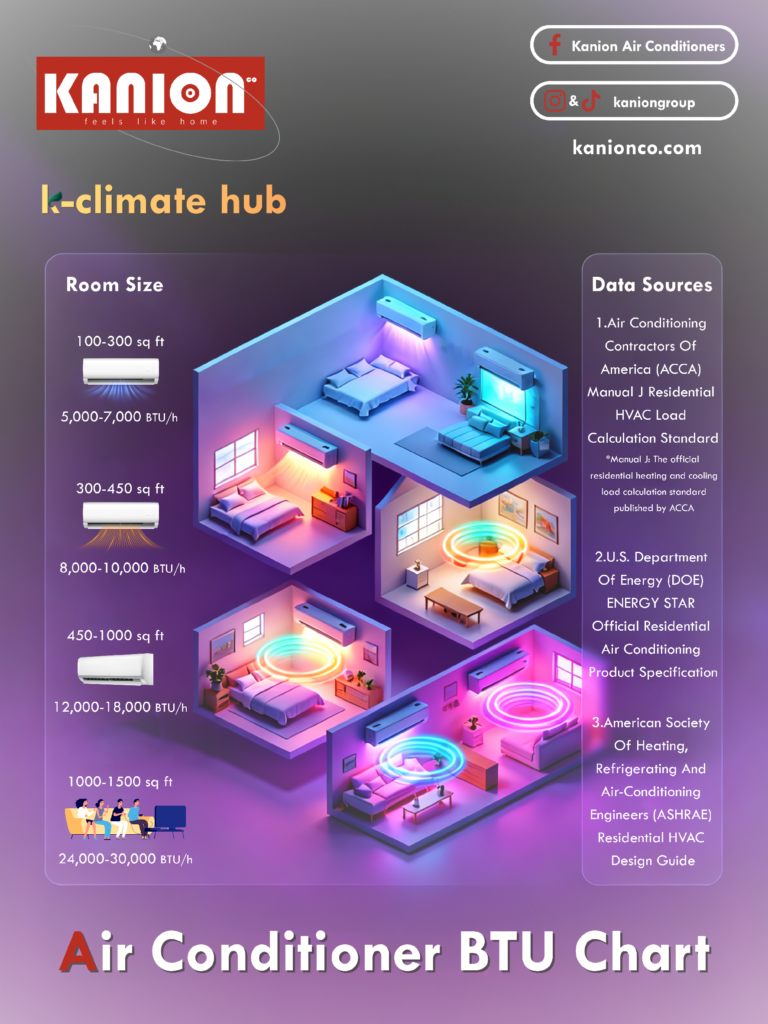
A Practical Building Guide for Homes, Offices, and Real Projects
Earth Day 2026 is a timely reminder that climate action is not only about policy or large-scale infrastructure. It is also about the daily systems inside buildings that quietly shape electricity demand and carbon emissions. Heating and cooling are often among the largest energy loads in homes, offices, and commercial spaces, which is why improving HVAC efficiency remains one of the fastest and most practical ways to reduce emissions without sacrificing comfort.
K-Climate Hub supports this approach with practical guidance, climate-aware thinking, and tools that help users estimate energy use, compare scenarios, and plan upgrades based on real operating conditions. For building owners, facility teams, and homeowners, Earth Day 2026 is a useful point to review how HVAC systems perform and where everyday waste can be reduced.
Why Earth Day 2026 Matters for HVAC Efficiency
In many regions, electricity generation still depends partly on fossil fuels. That means every unnecessary kilowatt-hour can contribute to avoidable carbon emissions. HVAC systems also run for long hours across changing seasons, so even small inefficiencies can add up to a significant annual impact.
That is why Earth Day 2026 is a strong moment to focus on HVAC energy use. Better efficiency can lower indirect emissions, reduce operating costs, improve comfort stability, and ease peak demand pressure during heat waves or cold snaps. Instead of treating sustainability as a one-day message, buildings can use Earth Day as a checkpoint for practical, measurable action.
Where HVAC Energy Waste Usually Comes From
HVAC energy waste is often caused not only by old equipment, but by the way systems are selected, controlled, and maintained. Common issues include oversized units that short-cycle, fixed setpoints that overcool or overheat, operating schedules that do not reflect real occupancy, dirty filters and coils that reduce heat exchange, airflow restrictions, and weak controls that fail to match output to actual demand.
Reducing carbon emissions starts with identifying which of these problems is driving waste in your building. In many cases, the best results come from combining load reduction, proper maintenance, smarter controls, and more efficient system operation.
10 Practical Ways to Cut HVAC Energy Use and Reduce Carbon Emissions
1. Set realistic temperature targets
Overcooling in summer and overheating in winter are common causes of waste. Stable and reasonable setpoints reduce unnecessary runtime and help maintain more balanced comfort.
2. Use schedules that match real occupancy
Many buildings still operate as if they are fully occupied all day. Aligning HVAC schedules with actual use is one of the quickest ways to reduce unnecessary energy consumption.
3. Reduce building load before replacing equipment
Improving insulation, sealing air leaks, and reducing unwanted heat gain can lower HVAC demand significantly. This also helps prevent oversizing during future upgrades.
4. Improve airflow and remove restrictions
Blocked returns, dirty filters, fouled coils, and poor airflow balance can all force HVAC systems to work harder. Restoring airflow is often a simple but high-impact improvement.
5. Prevent short cycling
Oversized systems often cycle on and off too frequently, wasting energy and causing temperature swings. Better sizing, improved zoning, and smarter controls can help reduce this issue.
6. Use inverter-driven or variable-capacity systems where appropriate
Variable-capacity systems can match output more closely to real demand. This improves part-load performance, reduces cycling, and often supports steadier comfort.
7. Optimize humidity control
Humidity is often a hidden source of wasted energy. In hot and humid climates, poor humidity control can lead people to lower the thermostat unnecessarily, which increases energy use.
8. Maintain heat exchange performance
Dirty coils, degraded fins, and weak drainage reduce heat transfer and raise electricity demand. Routine upkeep protects system performance and helps prevent gradual efficiency loss.
9. Improve control logic
Simple control improvements can make a major difference. Better scheduling, reset strategies, lockout logic, and zoning coordination often improve performance without major hardware changes.
10. Track performance and adjust seasonally
Monthly energy use, runtime patterns, and comfort complaints can reveal whether a strategy is working. Seasonal review helps buildings stay efficient under changing weather conditions.
Why These Actions Work Better Together
Each of these actions reduces waste in a different way. Load reduction lowers the amount of heating or cooling required. Better airflow and maintenance improve delivery efficiency. Smarter controls and schedules reduce unnecessary runtime. Variable-capacity operation improves part-load performance. Tracking results helps confirm that changes are actually working.
When combined, these strategies often reduce energy use, improve comfort, and lower indirect carbon emissions at the same time.
How K-Climate Hub Supports Earth Day 2026 Planning
K-Climate Hub helps users turn Earth Day ideas into practical next steps. Users can explore HVAC energy consumption scenarios, compare cost and performance across climates, and review strategies before making changes in real projects. This makes it easier to move from general sustainability goals to more realistic and measurable action plans.
For homes, that may mean checking whether schedules, airflow, or setpoints are creating hidden waste. For offices and commercial projects, it may mean reviewing controls, humidity strategy, or system sizing assumptions before investing in upgrades.
A Simple Earth Day 2026 Action Plan
Start with one load-reduction step and one operational improvement. For example, pair air sealing or shading improvements with setpoint optimization or scheduling updates. If you are planning an equipment upgrade, confirm load assumptions first so the replacement is not oversized. Then review energy performance monthly to see whether the changes are delivering real results.
Earth Day 2026 should not be treated as a one-day campaign. It is a practical opportunity to improve how buildings use energy and to build better habits that reduce waste over time.
FAQ
Q1: What is Earth Day and when is it observed?
A1: Earth Day is observed each year on April 22 and focuses on environmental protection and climate action.
Q2: Why is HVAC important for reducing building emissions?
A2: HVAC systems are often one of the largest energy users in buildings, so improving HVAC efficiency can reduce indirect carbon emissions and lower electricity demand.
Q3: What is the fastest way to cut HVAC energy use without replacing equipment?
A3: Start with scheduling, realistic setpoints, filter and coil maintenance, airflow checks, and basic control improvements.
Q4: Do inverter systems always save energy?
A4: They often improve part-load efficiency and comfort stability, but savings still depend on correct sizing, installation quality, and control strategy.
Q5: How does humidity affect HVAC energy use?
A5: Poor humidity control can make spaces feel uncomfortable, which often leads to overcooling and longer system runtime.
Q6: What should commercial buildings prioritize first?
A6: Align schedules with occupancy, reduce simultaneous heating and cooling, verify airflow and maintenance conditions, and review whether systems are oversized or short-cycling.
Q7: How can K-Climate Hub support Earth Day 2026 planning?
A7: K-Climate Hub helps users estimate energy use, compare scenarios, and review practical HVAC efficiency strategies before making upgrades.
Q8: Where can users learn more about Earth Day initiatives?
A8: Users can follow official Earth Day campaigns and educational resources through the global Earth Day movement.